
BEAUFORT County, SC — Beaufort County is officially charting its own course on environmental sustainability with the launch of a first-of-its-kind decentralized municipal food waste composting pilot program. Backed by joint grant funding from the South Carolina Department of Environmental Services (SCDES) and the United States Department of Agriculture (USDA), the project represents a historic milestone: the very first municipal initiative in South Carolina designed to process organic waste entirely on-site using an in-vessel composting unit.
Read the case study here.
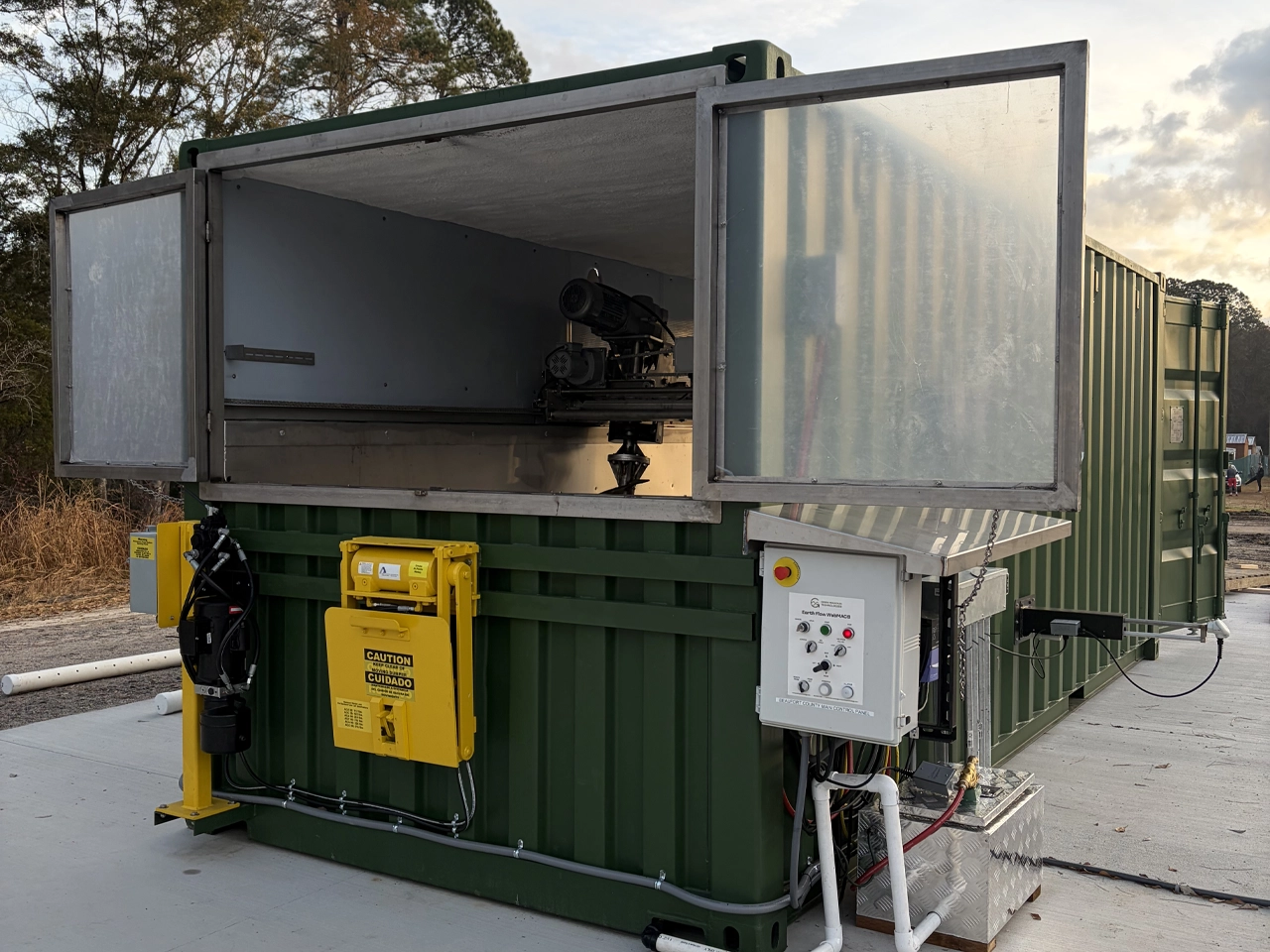
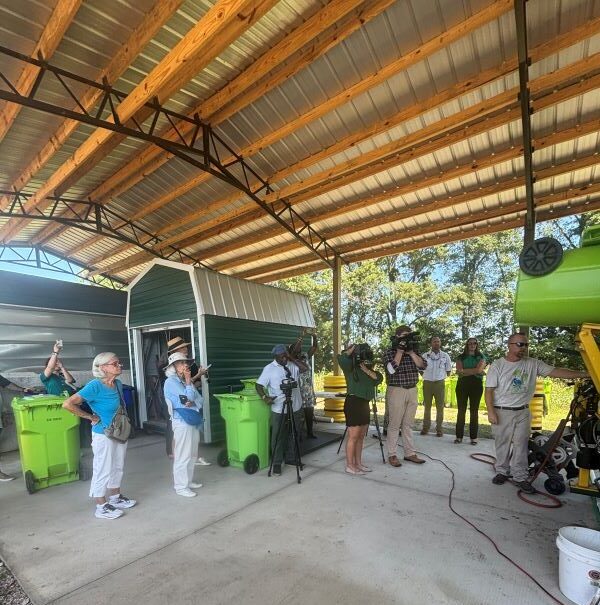
The heart of the program is a 20-foot Earth Flow in-vessel composting system located at the Beaufort County Public Works facility on Shanklin Road. Operations officially commenced in January 2026, creating a local, closed-loop processing model. Before this pilot, virtually all of the area's organic waste was sent straight to the local landfill. According to the U.S. Environmental Protection Agency (EPA), food waste is the single largest material sent to landfills, making up over 24% of municipal solid waste. When combined with other organics like wood and yard trimmings, that number climbs past 51%.
Historically, smaller or coastal communities have struggled to divert these materials because traditional regional infrastructure takes millions of dollars and many years to fund, permit, and construct. In a state where no laws or mandates require organic diversion, Beaufort County chose not to wait for legislation, serving as a perfect case study for the decentralized model. Rather than waiting years for a massive regional facility, the county secured funding, deployed the system, and completed the critical environmental permitting in an unprecedented 6 months.
Before this pilot, the only viable option for organic diversion in the region was hauling waste to the state’s closest permitted commercial composting facility-Bees Ferry in Charleston. However, the sheer distance made shipping heavy, wet food waste highly impractical from both a financial and a vehicle-emissions standpoint. By partnering with Green Mountain Technologies (GMT) to install the modular Earth Flow container, the county eliminated the carbon footprint of cross-county hauling.
To support the system, Beaufort County rolled out a phased residential collection program at four key Convenience Centers: Shanklin, Bluffton, Hilton Head, and St. Helena. To combat the industry's biggest hurdle—contamination—the county implemented an innovative public education campaign. Residents visit the county's composting webpage to watch a training video and complete a brief quiz, earning a PIN code that unlocks the secure food waste drop-off bins. The county also introduced "Mossy," a friendly compost mascot designed to make the program memorable and approachable for residents of all ages.
Recognizing that long-term success depends on public participation, Beaufort County paired innovative operations with an equally innovative education campaign. Through the creation of Mossy, a compost mascot inspired by the Gullah Geechee culture, the County uses animation, school outreach, television programming, social media, and community events to inspire residents of all ages to rethink food waste and embrace composting.
The community's response has been overwhelming. Within the first few months of operation, more than 700 residents completed the training and enrolled in the program. The pilot has already diverted over 30,000 pounds of food waste and 11,000 pounds of yard debris from local disposal. The initiative has also successfully scaled beyond residential drop-offs, launching school composting partnerships to divert cafeteria waste at two local schools, and onboarding four local businesses into a blossoming Green Business Program.
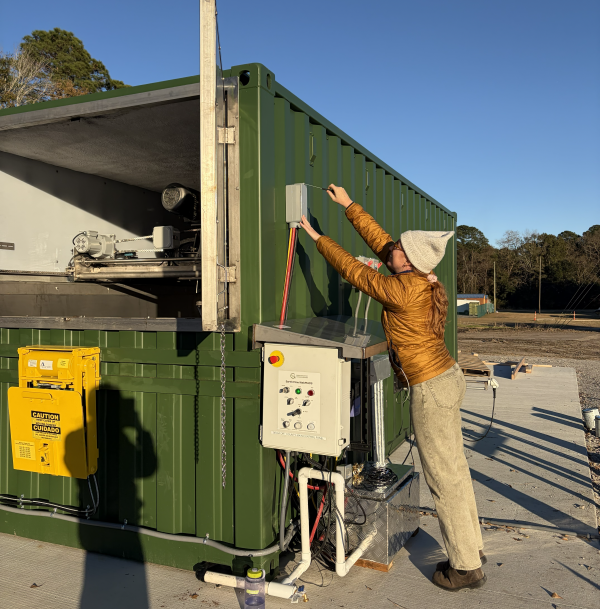
"We are so excited to bring this waste diversion initiative to Beaufort County. It has been a long, winding road—from applying for USDA and SC DES grants and building partnerships, to developing the program and engaging our residents," said Solid Waste & Recycling Program Manager, Victoria Hoffman. "Seeing the community embrace composting has been incredibly rewarding. Our residents and local partners are showing that they care about what happens to our waste, where it goes, and what we can do together to protect and preserve the beautiful Lowcountry we call home."
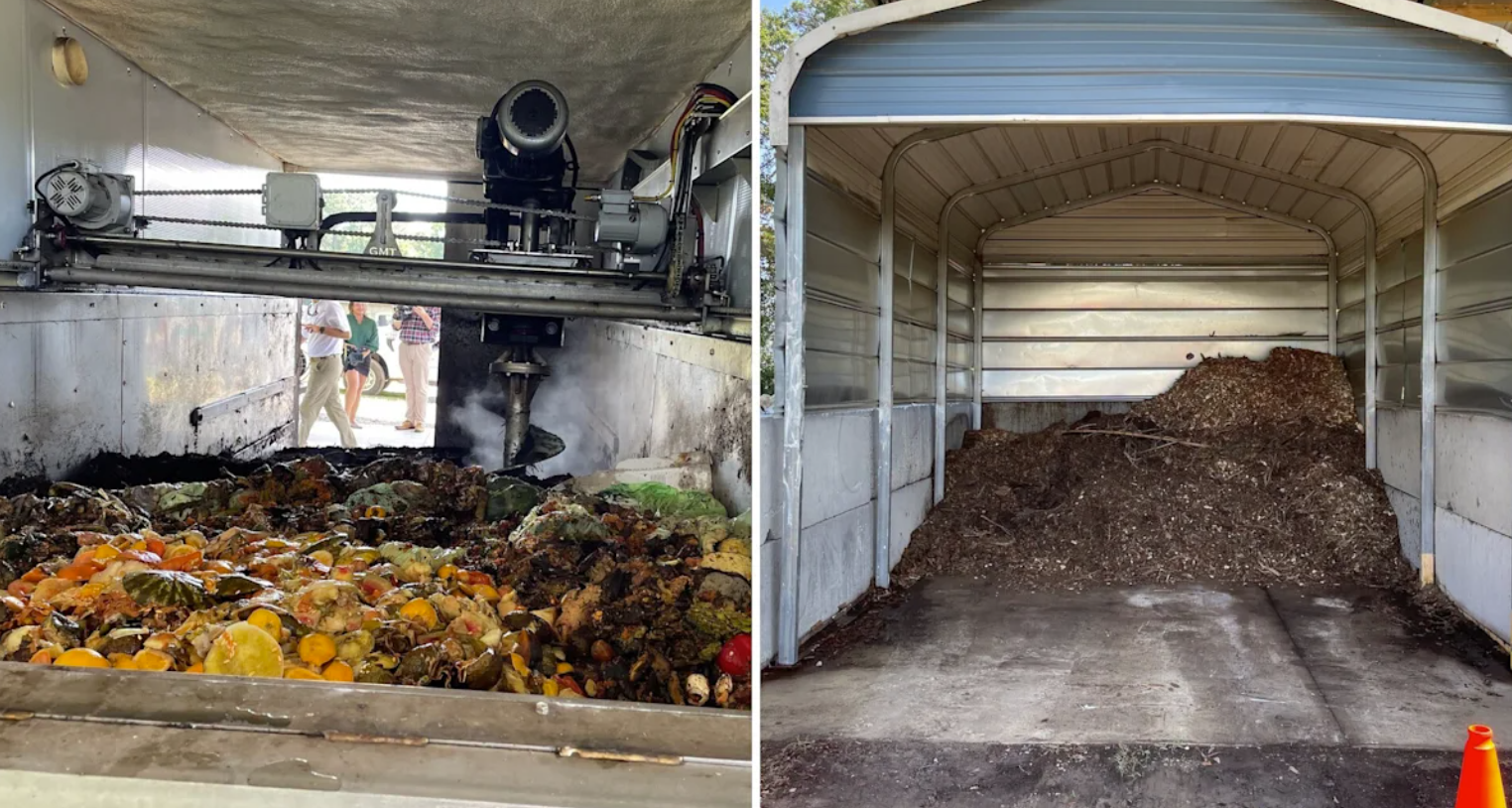
"Beaufort County is setting a brilliant precedent for how local governments can bypass regional infrastructure gaps and build programs their communities genuinely embrace," said Betsy La Force, Sales Manager at Green Mountain Technologies. "By securing support from both the state and the USDA for a decentralized, modular system, they've proven that municipal composting can be deployed quickly, cleanly, and cost-effectively without waiting for a state mandate. We are incredibly proud to partner with the county on this historic initiative."
From the beginning, Beaufort County documented each phase of development—including grant administration, permitting, procurement, operations, education, and outreach—to create an implementation toolkit that can help other communities establish similar programs. As the system hits its stride through 2026, Beaufort County’s program will serve as a master blueprint for long-term, scalable organic waste management for other municipalities across South Carolina and the Southeast.
For more information about the technology powering the pilot program, visit compostingtechnology.com.
To gain valuable resources to implement a similar program in your area, visit https://www.beaufortcountysc.gov/solid-waste-and-recycle/compostingresources.html
To sign up for the residential drop-off program and view the compost animation, visit beaufortcountysc.gov/compost.
About Green Mountain Technologies: Green Mountain Technologies (GMT) was founded in 1992 to design, build, and market innovative commercial composting systems. GMT is dedicated to reducing the environmental impact of organic waste by providing advanced, cost-effective, and scalable composting solutions worldwide.
Interested in Learning More About Our Compost Solutions?
Learn More