First Nations Composting
Challenges of Composting at First Nations Communities
Many First Nations communities are located in remote regions that do not have regional access to composting infrastructure. Many tribal communities in North America are also faced with challenging conditions including severe winters, desert conditions, wildlife and other factors that make composting difficult.
Food sovereignty and local self-reliance in agriculture are usually top priorities in First Nations communities, making compost an important factor in expanding waste management and agriculture practices. As stewards of the land for current and future generations, many tribal communities are focusing on composting as a key strategy for economic and environmental sustainability.

Construction Cost
We love working with First Nations communities who are focused on sustainability in the short term and in the long term. For communities that need to expand their composting infrastructure on a tight budget, we offer economical solutions and hands-on support, allowing communities to get composting infrastructure in place that meets their needs and budgets.
Pathogen Destruction
GMT’s decades of experience and knowledge about compost aeration requirements, compost recipes, and temperature monitoring ensures outstanding pathogen destruction, with automated temperature tracking in exportable CSV files.
Labor Costs
Fortunately, composting doesn't need to be complicated. Many of our solutions require minimal effort beyond what communities were previously doing for disposal of compostable waste streams.
Compost Quality
Any community that prioritizes food sovereignty needs high quality compost that will actually result in improved agricultural production levels. Composting isn’t just about avoiding the economic and environmental costs of disposal of compostable waste streams. In First Nations communities, the quality of the compost produced is a key factor in their agricultural success. GMT’s solutions and decades of experience offers tribal communities proven ways to produce high quality compost.
Our Solutions
We provide facility design and consulting services to First Nations and tribal communities for composting facilities of all types and sizes. For large composting facilities needing space efficiency, we offer a variety of Aerated Static Pile (ASP) systems with outstanding process control with minimal material handling costs. We also offer tractor-pulled windrow turners for on-farm composting when time and space constraints do not justify an ASP system. For smaller composting facilities in remote or challenging environments, an Earth Flow composting system is often an ideal solution.
1. Aerated Static Pile (ASP)
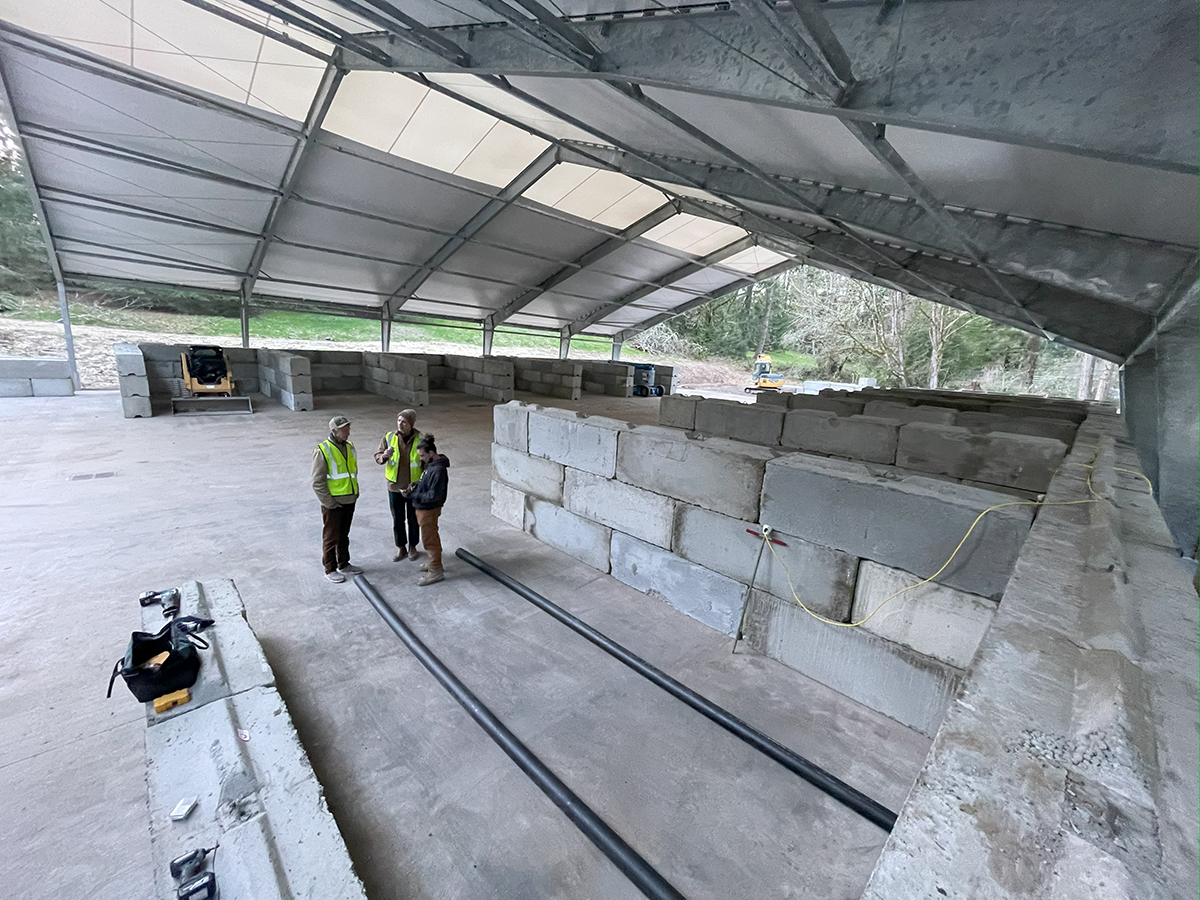
ASP composting eliminates the need for mechanical turning of the material, while speeding up the composting process to just 30 days, plus 4-8 weeks curing time (compared to 6+ months with turned windrow composting). Our ASP systems can reduce footprint and material handling costs by as much as 75% when compared to windrow composting.

Low
Opex

WebMACs
Controls

Low Handling Costs

4+ Week
Active Process
2. Turned Windrow Composting
Using a tow-behind windrow turner is one of the least capital intensive ways to make compost. It allows you to leverage existing tractors to turn your compost effectively and efficiently, turning once per week for 3 months, and once or twice a month for the subsequent 2 months. While fuel and labor intensive, this approach can make sense if you are not concerned about odors, footprint or processing speed.
Low
Capex
High
Opex

Large
Footprint
12+ Week Active Process

3. Earth Flow™ Composting
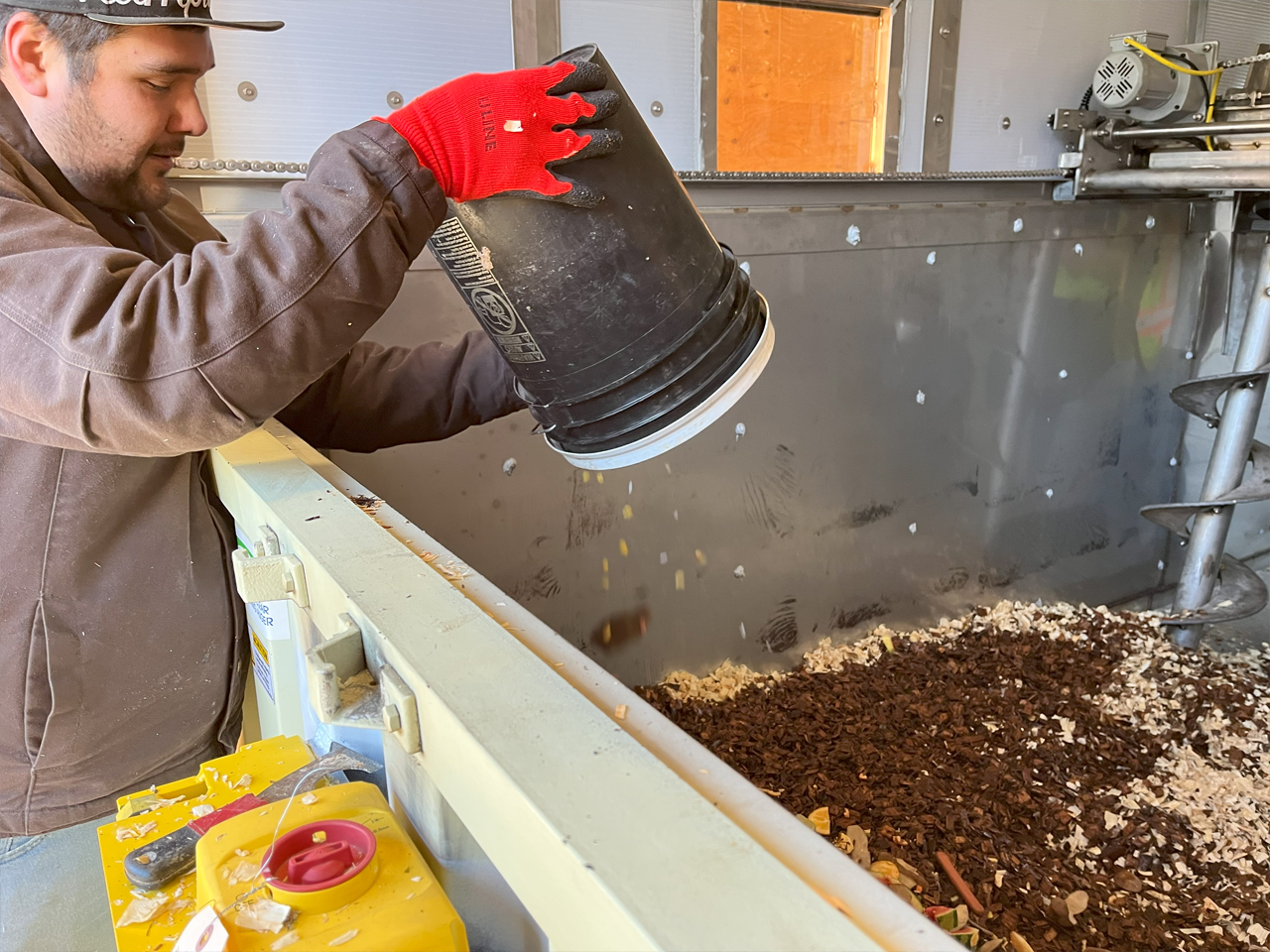
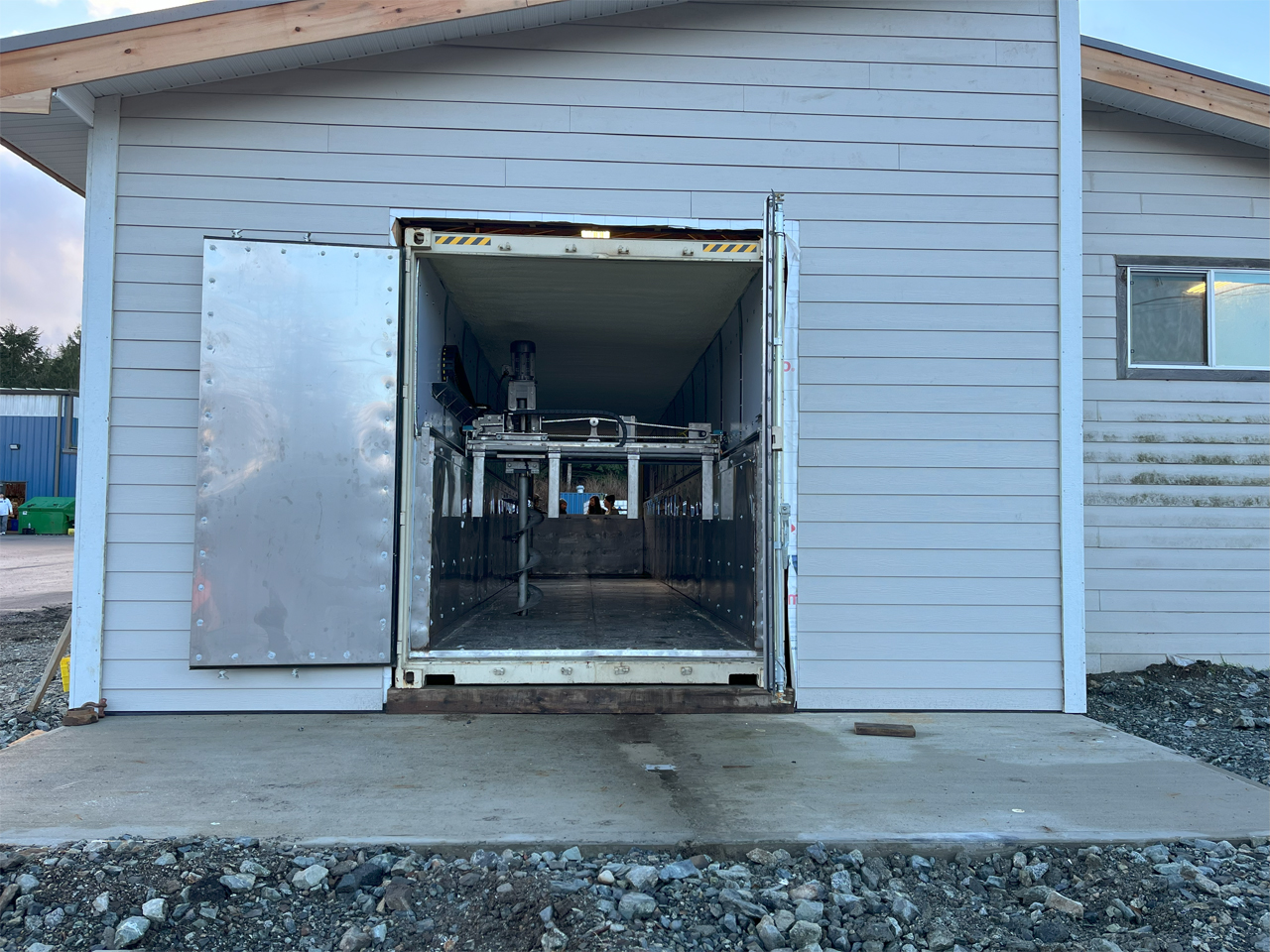
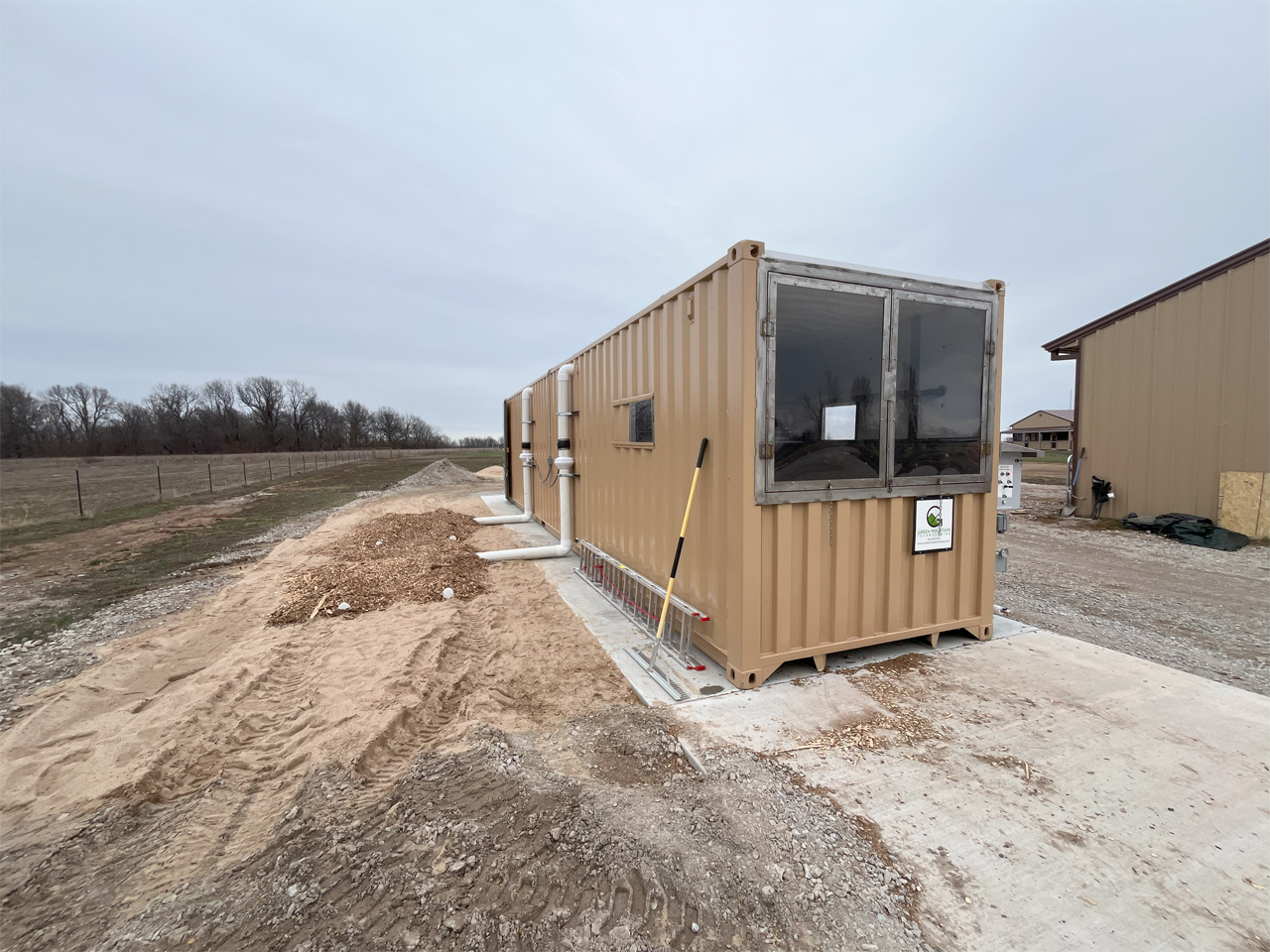
The Earth Flow system makes composting fast and easy, with a process time of just two to three weeks to produce ready-to-cure compost with minimal labor. The composting system is completely enclosed giving excellent control over odors and stormwater while being immune to interference by wildlife, making it a great solution for those in challenging climates and remote regions.
Low
Opex

Fully
Enclosed

Minimal
Odor
2+ Week
Active Process