
In-Vessel Composting
Operator: New Aiyansh
Location: New Aiyansh, B.C. Canada
Feedstock: Food Waste
Capacity: 500 T/year
Year Installed: 2026
Project Components:
Location: New Aiyansh, B.C. Canada
Feedstock: Food Waste
Capacity: 500 T/year
Year Installed: 2026
Project Components:



Client’s Requirements
The Nisg̱a’a Village of New Aiyansh sought a sustainable organics management solution to improve waste diversion and reduce reliance on traditional disposal methods. As an Indigenous community in northwestern British Columbia, New Aiyansh required an approach that could strengthen waste management capacity while creating opportunities to manage organic materials within the region.
The project supports efforts to divert organic materials from disposal streams while producing nutrient-rich compost that can benefit environmental initiatives. By investing in sustainable organics infrastructure, the project helps advance a more resilient and circular approach to waste management.
Through collaboration with IZWTAG, the Indigenous Solid Waste Technical Advisory Group, the project benefits from regional knowledge sharing and technical support for Indigenous-led waste management initiatives. IZWTAG’s work as a zero-waste steering committee helps strengthen connections among First Nations communities and supports the development of sustainable, community-driven solutions.

Our Solution
GMT provided the Nisg̱a’a Village of New Aiyansh with an Earth Flow composting system designed to advance efficient, low-maintenance organic waste processing. The enclosed system simplifies operations while providing effective aeration, odor control, and consistent composting performance in a challenging climate.
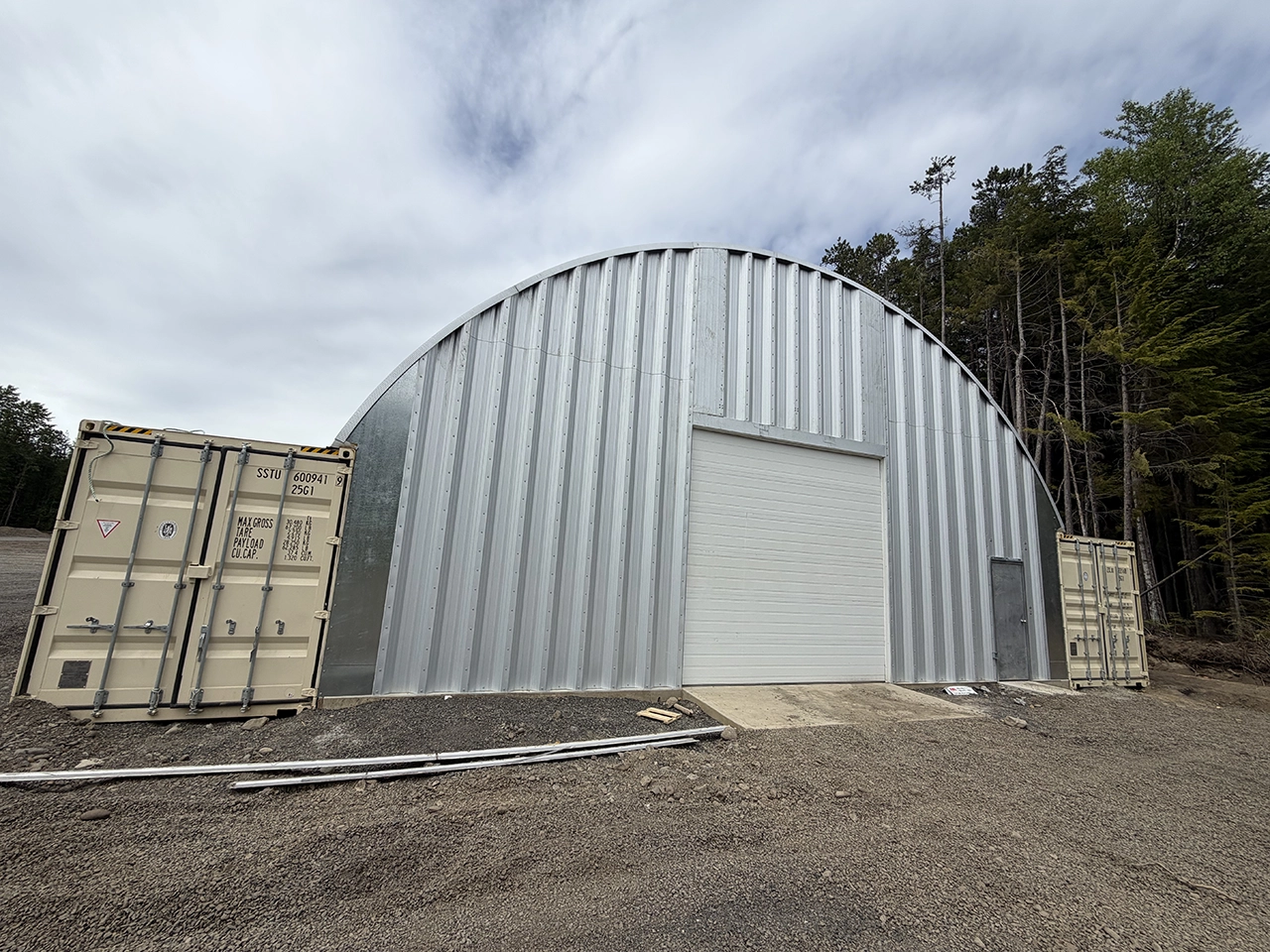
As part of their organics management solution, the Nisg̱a’a Village of New Aiyansh implemented a 40’ Intermodal Earth Flow. This system is located inside a metal building and features a cold weather package designed to optimize performance during winter conditions. The Earth Flow was selected because of its:- Enclosed design with effective odor management
- Performance in challenging climate conditions
- Automated operation and reduced labor requirements
- GMT’s experience supporting remote communities
As part of the CleanBC Organics Funding Program’s investment in Indigenous-led organics processing, this project advances the broader goal of diverting organic waste from landfills and reducing greenhouse gas emissions across British Columbia. This project highlights how sustainable waste management solutions can create lasting local capacity, support resource recovery, and contribute to a more resilient future.